common mistakes using drip irrigation kit UK
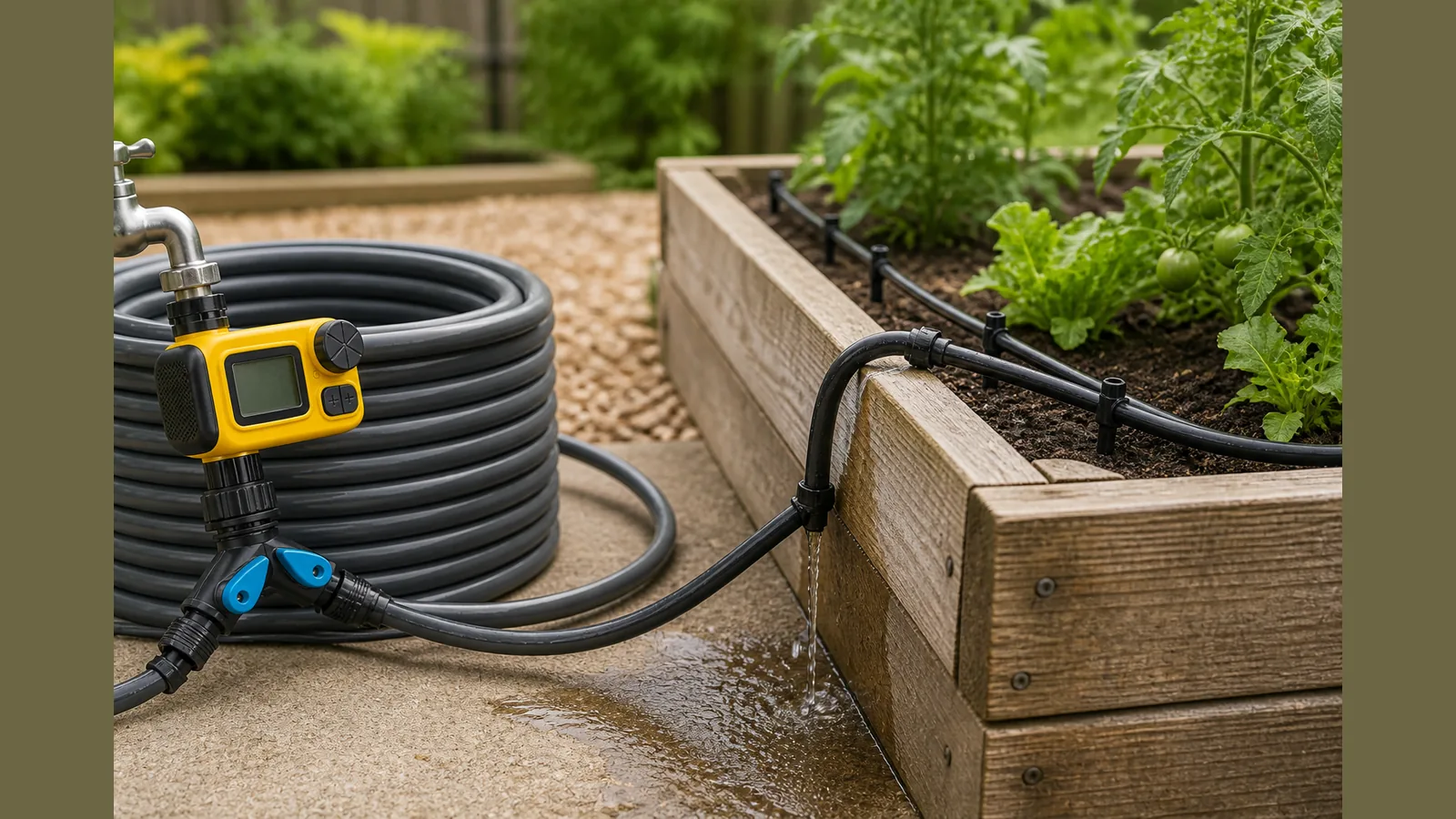
The most common mistakes using drip irrigation kit UK setups are clogged emitters, uneven or excess watering, and rushed DIY checks that skip basic safety steps before the system runs unattended.
Symptom → likely cause
When plants look dry in one bed and soggy in another, emitters or line layout are usually uneven, blocked, or poorly matched to the planting. Pooling water, soft soil, or yellowing leaves often point to overwatering rather than a “stronger” flow need. Weak or no drip at an outlet commonly traces back to debris in emitters or filters, kinks in tubing, or fittings that were not fully seated during set-up.
UK garden guides repeatedly flag clogged emitters and overwatering among the mistakes that harm plant health and waste water, so treat those two first when symptoms appear.
- Dry patches with wet neighbours: blocked or mismatched emitters, or lines that do not reach the root zone evenly.
- Constantly wet soil or run-off: schedule too long/frequent, or outlets delivering more than the bed can use.
- No drip or a sudden stop: clog, kink, closed valve, or a timer/programme that is not actually opening the supply.
Safe stop criteria
Stop the system and isolate the water supply if you see uncontrolled leaking at joints, water where it should not be (paths, electrics, or indoor thresholds), emitters spraying instead of dripping, or soil that stays waterlogged after a normal cycle. Pause again if you cannot confirm the timer or valve is doing what you set, or if DIY advice flags incomplete safety checks before leaving a new install running.
Do not keep extending run times to “force” coverage while a fault is obvious. Fix layout, blockages, and schedule first; only then re-test with short cycles you can watch.
What users can check
Work through simple, visible checks before assuming the kit is defective. Practical UK set-up advice stresses tools, step-by-step method, safety checks, and common mistakes—so verify those basics yourself.
- Confirm the tap or isolation valve is open and the timer (if fitted) is on a programme you understand, with the correct day/time and duration.
- Walk the lines for kinks, crushed sections, and loose lock fittings; reseat any joint that weeps.
- Flush or clear emitters and inline filters if flow is weak; debris is a frequent cause of “dead” outlets.
- Avoid mixed-unit mistakes: keep hose and connector sizes consistent, and do not mix incompatible fittings that only look similar.
- Watch one short watering cycle: check that each bed gets a drip at the root zone, not a flood on the surface.
- If your kit includes adjustable emitters and a smart water timer, set modest durations first and adjust after you see soil moisture—not by guessing from plant stress alone.
Guides on avoiding drip irrigation mistakes also stress efficient watering and reduced waste: shorter, observed cycles beat long unattended runs while you are still diagnosing faults.
When to get support
Contact the seller or a qualified plumber if leaks continue after reseating fittings, if you suspect a damaged timer or valve you cannot safely test, or if water is near electrical outdoor sockets. Seek help if you are unsure how to isolate the supply, or if repeated clogging returns after cleaning—there may be sediment, pressure, or layout issues beyond a simple home fix.
Stop DIY pressure or electrical work outside your skill level. Document what you already checked (open valve, programme, visible clogs, which SKU/layout you installed) so support can focus on the remaining fault.
Next step
If you want a garden drip irrigation kit with a smart water timer and adjustable emitters for a clearer starting layout, review the current garden drip irrigation kit details before you buy or expand your set-up.
FAQ
What are the common mistakes using drip irrigation kit UK gardeners make first?
Skipping safety and flush checks, leaving debris in emitters, and overwatering on long schedules are among the earliest faults called out in UK-focused drip irrigation mistake guides.
How do I avoid mixed unit mistakes with a drip irrigation kit?
Keep tubing and connectors as a matched set, do not force dissimilar lock fittings together, and re-check every joint after the first pressurised test cycle.
What counts as a common drip irrigation kit fault in the UK?
Clogged emitters, uneven coverage, leaks at fittings, and timer programmes that do not match what you intended are typical faults; treat them with isolation, inspection, and short observed runs rather than longer watering times.