drip irrigation kit first use checklist UK: UK Practical Guide
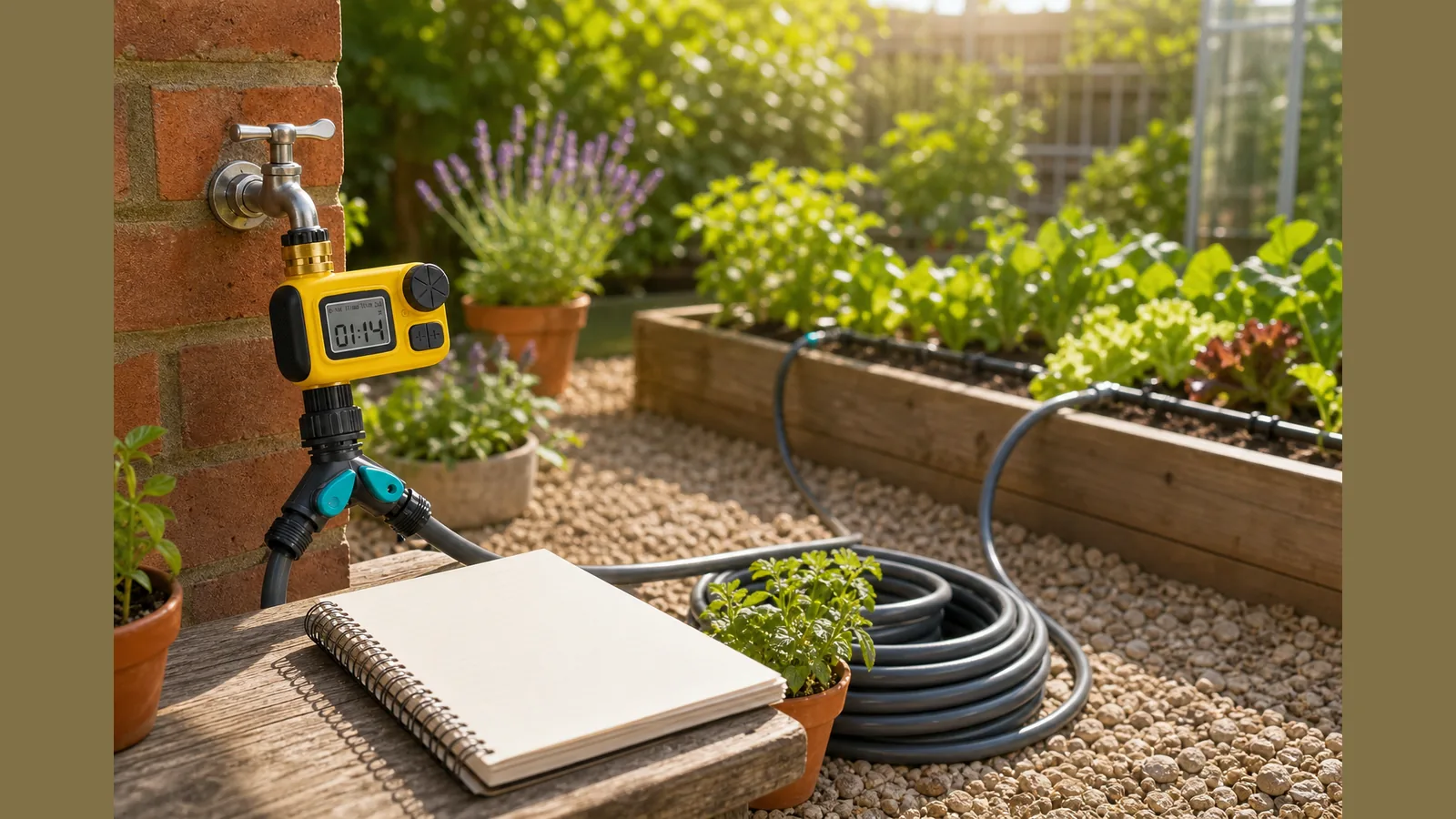
Direct answer checklist
Before you run a drip irrigation kit for the first time in a UK garden, work through a short first-use checklist: confirm your water source and layout, assemble and flush the lines, place adjustable emitters where plants need water, set a conservative timer schedule, then watch for leaks and dry spots before leaving the system unattended.
- Unpack and identify tubing, fittings, emitters and any timer included with your kit.
- Plan the route from tap to beds so tubing is not kinked or crushed.
- Flush the main line before fitting the final end stop.
- Seat emitters firmly and start with a short test run.
- Check joints for drips, then adjust emitter openings to suit each plant group.
Practical UK DIY guides stress tools, a clear step-by-step method, safety checks and common mistakes when you first set a system up, which is why a calm checklist beats rushing a full overnight schedule on day one.
Pre-checks
Complete these pre-checks before you buy or open a kit, and again before the first timed run.
- Water source: Confirm an outdoor tap you can reach with a suitable connector, and note whether you are on a water meter so you can judge use over time rather than guessing.
- Layout fit: Sketch beds, pots and rows so you choose a kit size that covers the planted area without stretching tubing tight or leaving long unused runs.
- Parts match: For kits that include a smart water timer and adjustable emitters, read the packing list against what you received before cutting pipe.
- Hole and barb method: If you add barb drippers into LDPE mainline, pierce holes with an irrigation hole punch and insert the barb cleanly; drippers may also sit on the end of 4mm micro pipe rather than only in the mainline side wall.
- Pressure and filtration: Fit any supplied filter or pressure reducer in the order the kit instructions show, then hand-tighten connectors without crushing seals.
UK setup guides also explain when drip is worth using compared with sprinklers and how metered households can judge cost over time, so treat first use as a measured trial rather than a set-and-forget install.
Red flags to stop
Stop and fix the issue before extending run times if you notice any of the following.
- Water spraying from a fitting, cracked collar or poorly seated barb.
- Mainline still full of debris after a short flush, or emitters clogging immediately.
- Tubing kinked under a path, door or pot edge so flow stops downstream.
- Timer not advancing, not switching the valve, or showing an unclear programme after a dry test.
- Soil waterlogging in one zone while another stays bone dry after a brief test run.
Common first-use mistakes in UK gardens include skipping the flush, punching ragged holes, over-tightening plastic threads and leaving the system on a long cycle before you have walked the line. Do not assume weatherproof or IP ratings for a timer unless they are stated on your pack; shelter outdoor controls if the instructions advise it.
Record-keeping tips
A simple note after first use helps you choose the right size of kit later and avoid repeating setup errors.
- Record tap type, connector used and whether a filter or reducer was fitted.
- Note approximate planted length or number of pots covered on the first layout.
- Write down the first timer programme (start time, run length and days) and what the soil felt like the next morning.
- Mark emitter positions that needed opening or closing so seasonal changes are easier.
- Keep the packing list and any model markings with your garden notes for spares.
Next step
When you want a garden drip irrigation kit with a smart water timer and adjustable emitters for a controlled first setup, review the current options on our garden drip irrigation kit product page and match the kit to your beds before you cut tubing.
FAQ
What belongs on a checklist before buying a drip irrigation kit in the UK?
Measure the area you need to water, confirm tap access, decide whether you need a timer, and check that tubing and emitter types suit beds, borders or containers. Use a UK drip irrigation setup overview to weigh drip against sprinklers and metered use before you purchase.
How do I choose the right size drip irrigation kit in the UK?
Size from the planted run and number of outlets you need, not from a hopeful maximum. Leave a little spare length for routing around corners, but avoid buying far more line than your sketch requires so unused pipe does not encourage messy loops.
What are common mistakes when using a drip irrigation kit in the UK?
Skipping the first flush, forcing barbs into rough holes, running long cycles before a leak check, and ignoring dry or soggy patches after the first morning inspection. Follow a clear practical garden drip irrigation method and, when adding barbs, use the hole-punch and barb insertion approach described for LDPE and 4mm pipe.